
Most side-hustle lists assume you have a silent home office, three uninterrupted hours, and children who politely respect a closed door. Adorable. If your free time arrives in twelve-minute scraps between bedtime negotiations and reheating the same coffee, you need work that can survive interruption.
Test one small way of earning money without buying a course, stocking a garage, or turning every family moment into content. The seven options below can start small, pause cleanly, and grow only if they prove worth the effort.
First, Use the Brutally Honest Time Test
For one week, notice when you truly have energy—not when an optimistic planner says you should. A side hustle requiring live calls is a bad match if your only reliable window begins after bedtime and sometimes ends with a child shouting for water.
Choose one idea and give it a two-week experiment with a fixed time cap. Track money received, fees, supplies, travel, and total minutes; revenue is flattering, but hourly profit is the number that tells the truth.
1. Paid User Testing and Research Sessions

Companies pay ordinary people to test websites, react to prototypes, or answer research questions. Short unmoderated tests are especially useful for moms because you can often complete them after bedtime without arranging a live meeting.
You usually need a laptop or phone, a microphone, and the ability to explain what you are thinking while you navigate. You will not qualify for every study, so advertised rates are not guaranteed income.
Start with one established platform, complete your profile honestly, and reserve a quiet twenty-minute window. Never pay to access testing jobs, and do not share passwords, banking logins, or confidential information during a test.
2. Sell the Stuff Your Family Has Outgrown

This is the least glamorous option and often the fastest route to actual cash. Kids’ clothing bundles, baby gear, toys, small furniture, and abandoned hobby supplies are already taking up space, so there is no inventory cost and no need to invent a brand identity.
Batch the work: photograph five items in the same patch of daylight, measure them once, and write descriptions from a reusable template. Mention flaws plainly. Buyers are much less annoyed by a disclosed stain than by a surprise one.
Use local pickup for bulky items and calculate platform fees, packaging, and postage before accepting an offer. Once your own excess is gone, stop unless reselling still earns enough per hour; buying random clearance products can turn decluttering into a new pile with receipts.
3. Offer One Tiny Virtual-Assistant Service

“I can be your virtual assistant” is vague and intimidating. “I will format and schedule your weekly newsletter” or “I will clean up your calendar every Friday” is concrete, easier to price, and much easier to perform in a predictable block.
Pick a task you already do well: inbox sorting, appointment confirmation, spreadsheet cleanup, blog formatting, or uploading approved social posts. Avoid roles that expect instant daytime replies if your schedule cannot support them. Asynchronous work is the whole point here.
Offer a small paid trial with written boundaries: the exact deliverable, deadline, revision limit, and communication window. A local business owner, former coworker, or parent-group referral is often a better first client than competing for the cheapest job on a giant marketplace.
4. Proofread Short Documents
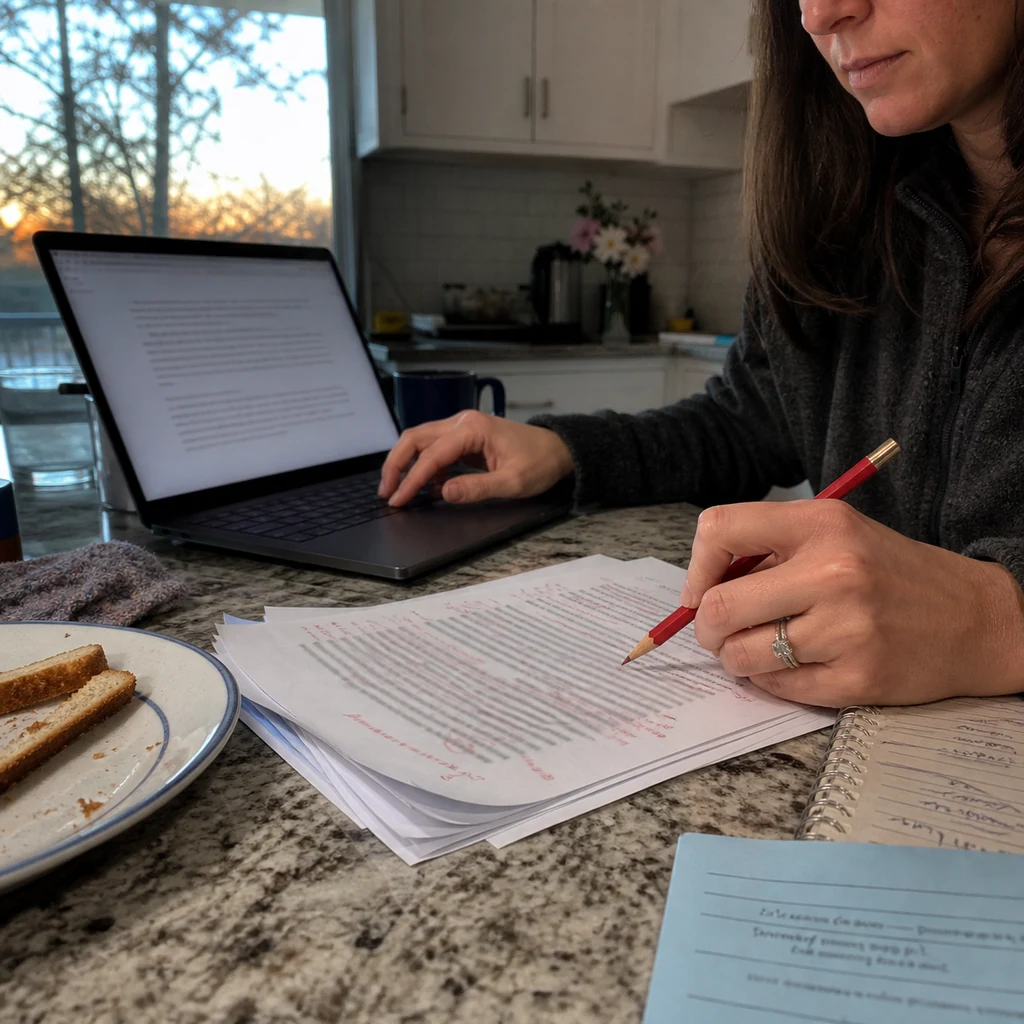
If typos jump off the page at you, proofreading can fit into small, quiet sessions. Begin with short, defined projects such as newsletters, résumés, menus, blog drafts, or presentation slides—not a 90,000-word novel due on Monday.
Proofreading means correcting spelling, punctuation, consistency, and obvious grammar. It is not automatically fact-checking, rewriting, or developmental editing. Stating that distinction protects your time and gives the client a clear expectation.
Create a one-page sample showing tracked changes on your own practice text, then offer a paid test project. Quote by scope rather than guessing how many hours your children will permit. Sensitive documents should be handled only through agreed, secure file-sharing methods.
5. Make One Useful Digital Template

A digital product can sell more than once, but it is not passive at the beginning. The sane version is one simple file that solves a problem you understand: a babysitter information sheet, school-morning checklist, freezer inventory, or no-fuss weekly planner.
Validate the idea before creating twenty color variations. Ask a few people in the intended audience what they currently use, build a clear first version, and have someone print or open it on another device.
Use only fonts, icons, and graphics licensed for commercial use, and do not copy another seller’s layout. Your listing should show exactly what the buyer receives and what software, if any, is needed. Budget time for customer questions and occasional file updates.
6. Do Neighborhood Pet Check-Ins
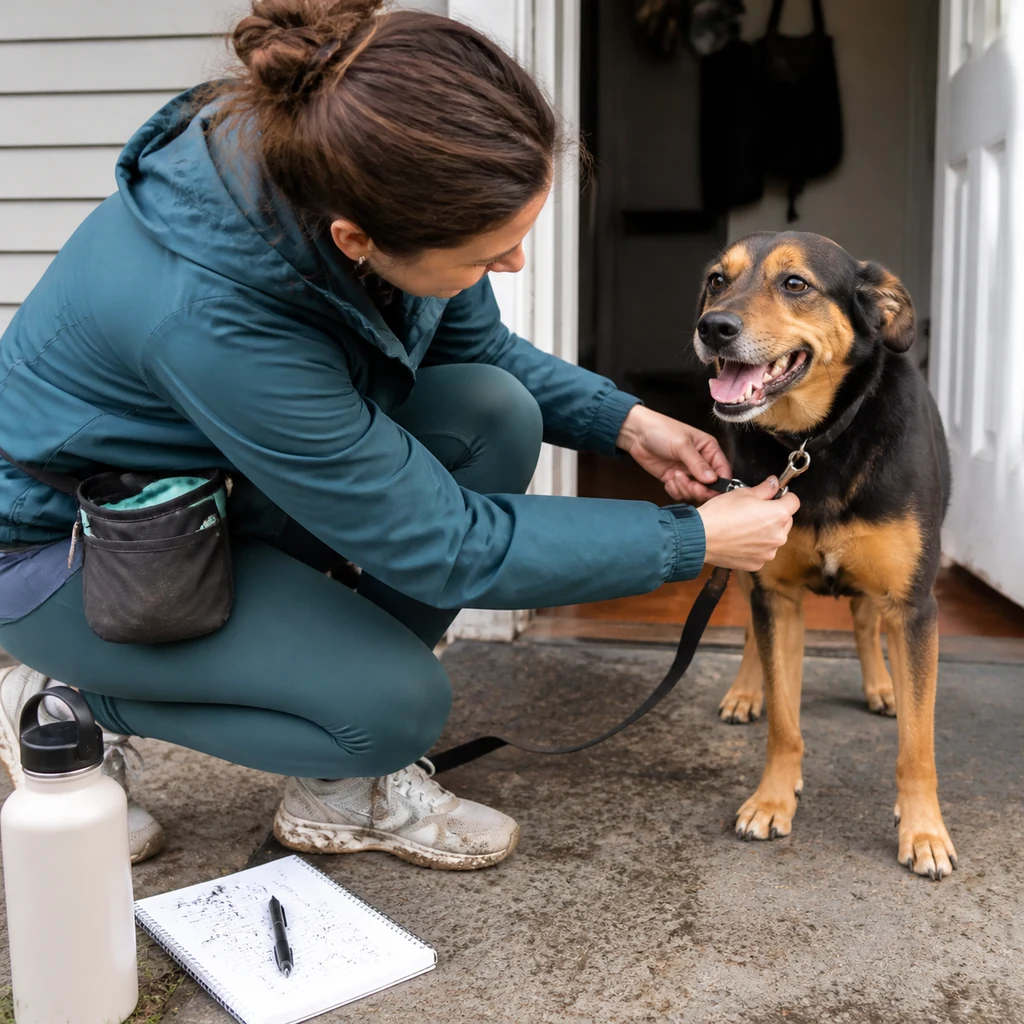
If you already walk near school pickup or after dinner, a nearby dog walk or cat check-in can attach paid work to movement already in your day. Keeping the service within a small radius prevents a fifteen-minute visit from becoming an hour-long driving project.
Start with people who know you, request written care instructions, and meet the pet with the owner present. Confirm keys, alarms, medication limits, emergency contacts, weather rules, and what happens if you are delayed by your own family emergency.
Check local licensing, insurance, and platform requirements before accepting money. Do not take an animal whose size, behavior, or medical needs exceed your experience. A modest, reliable service is more valuable than a packed schedule you cannot safely manage.
7. Offer Limited Meal-Prep Help to One Family

If you already batch-cook comfortably, one local household may pay for practical prep help: washing and chopping produce in their kitchen, assembling freezer meals, or cooking a clearly agreed weekly menu. This is not permission to launch an unlicensed casserole empire from your counter.
Food businesses can face strict rules around home kitchens, allergens, packaging, temperatures, and delivery. Check your local public-health and business requirements first. A service performed in the client’s home may have different rules, but “I saw it online” is not legal guidance.
Begin with one referral, one menu, and a firm shopping and cleanup policy. Price ingredients, planning, travel, preparation, containers, and cleanup—not merely stove time. If food work makes your own family meals harder, the experiment has failed its most important test.
How to Choose Without Creating a Second Full-Time Job
Choose the option with the lowest setup cost and fewest schedule collisions. Give it two weeks, record net hourly profit, then decide whether to continue, adjust, or quit without guilt. Quitting a weak experiment is useful data, not a character flaw.
Keep payments and expenses documented, set aside money for taxes where required, and check local rules before offering in-person or food-related services. Never pay for “guaranteed” work, accept suspicious checks, move money for a stranger, or buy an expensive starter kit to unlock earnings.
The best side hustle for a time-starved mom is not the trendiest one. It is the small, boring, repeatable task that pays fairly, respects your limits, and can be closed when somebody inevitably needs help finding the shoes directly in front of them.