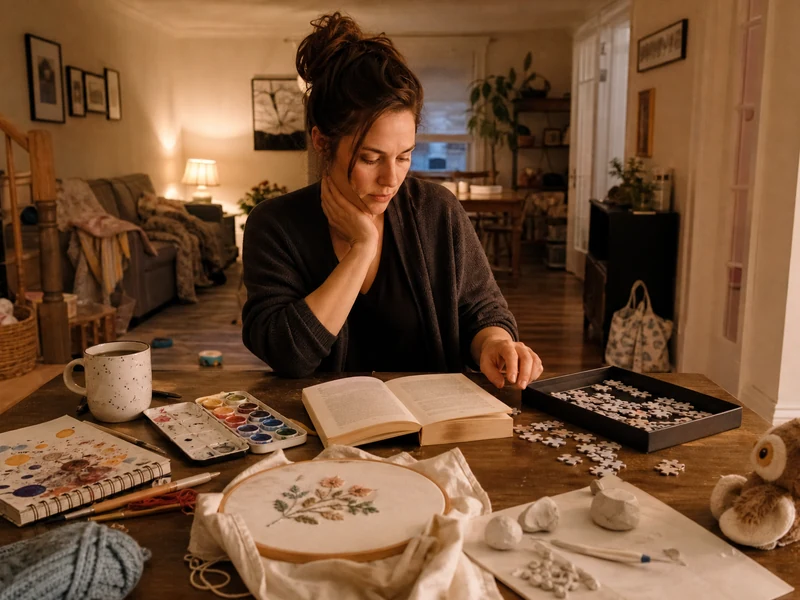
Apparently adults are supposed to have hobbies. This is difficult news when your recreational activities include reheating the same coffee and standing alone in the pantry. Still, scrolling is not the only form of rest available at home.
A useful hobby for this season of motherhood must survive interruptions, fit into a small container, and remain enjoyable even when you are mediocre at it. The seven options below begin at home with short sessions.
What Counts as a Real Hobby?
A hobby is something you choose because the process interests or restores you. It does not need to improve the house, educate the children, generate income, or become content. If the first thought is “Could I sell this?” gently place that thought outside with the recycling.
The goal is not maximum productivity. It is to spend twenty minutes making, noticing, solving, or learning something that belongs to you.
How to Choose Without Buying an Entire Craft Store
- Choose one activity, not a new personality.
- Start with the smallest workable kit.
- Prefer projects that stop cleanly after fifteen to thirty minutes.
- Use a box, tray, or bag so setup takes less than two minutes.
- Borrow, thrift, or use what you own before upgrading.
Give one hobby three short attempts before judging it. The first session often feels awkward; that does not mean you chose badly.
1. Visible Mending and Tiny Embroidery
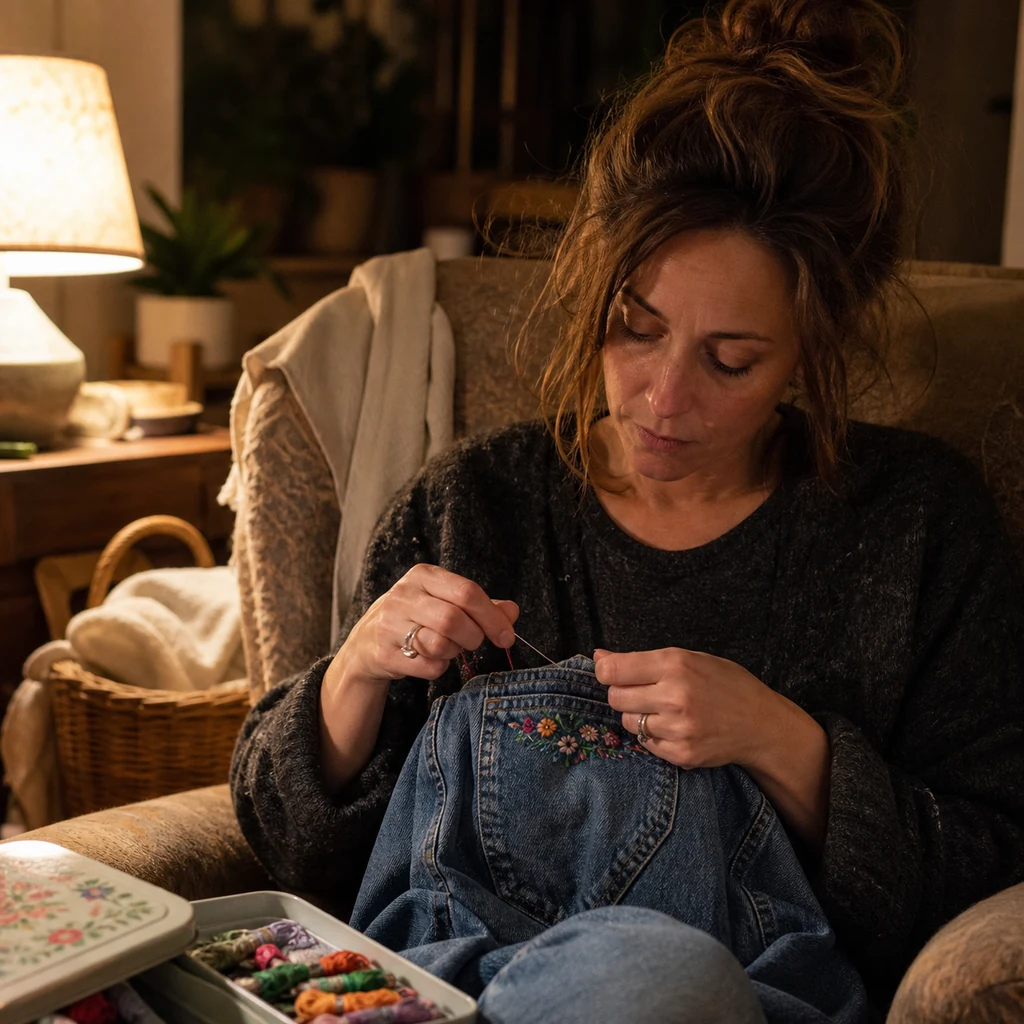
Visible mending turns a repair into decoration. Start with a denim pocket, canvas tote, or plain cloth napkin and add simple running stitches, crosses, leaves, or uneven flowers. A needle, embroidery floss, small hoop, scissors, and scrap fabric are enough.
Choose an item that is not precious. You are less likely to freeze over the first stitch when the alternative is throwing away a pair of jeans already decorated with applesauce history. Keep the pattern small enough to finish across two or three evenings.
Store the needle securely and keep the kit away from children. Park it in a felt square before stopping.
2. Loose Watercolor Cards
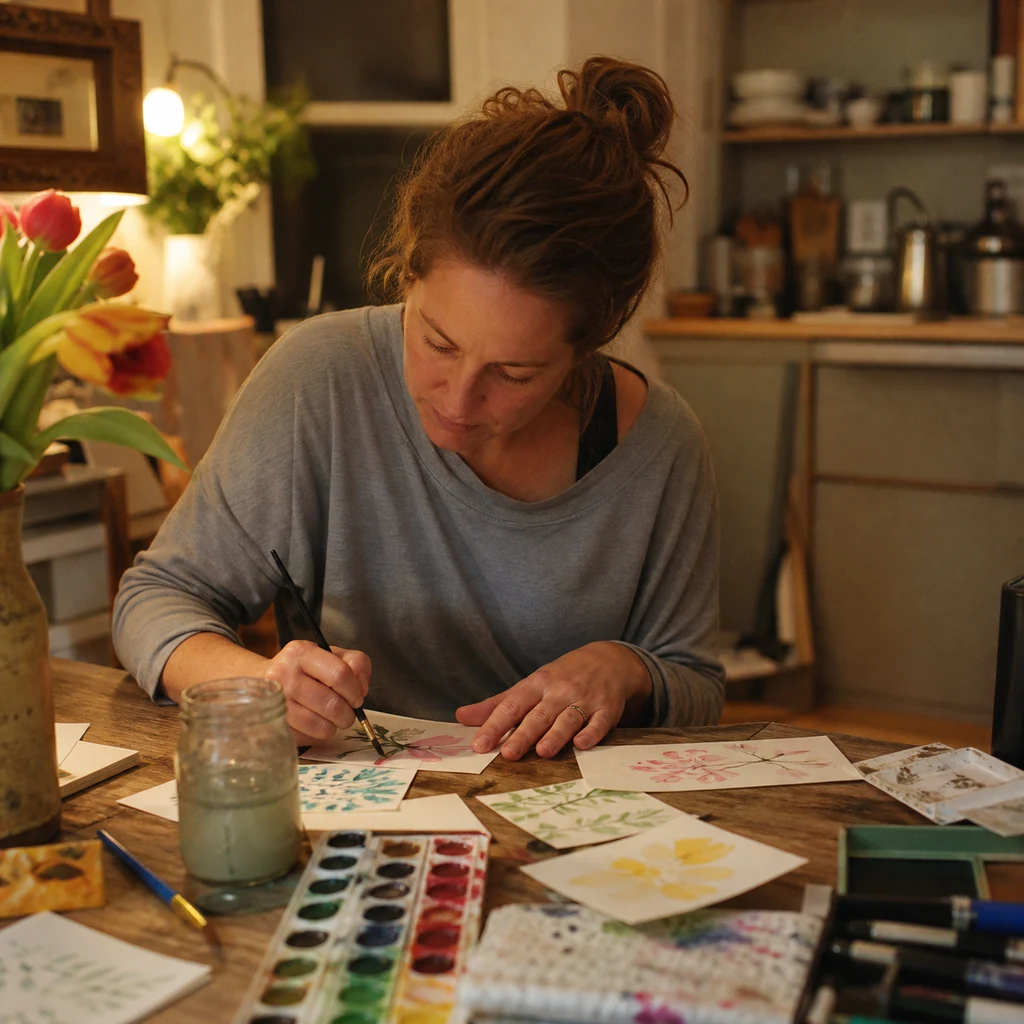
You do not need to draw accurately to enjoy watercolor. Paint circles, color swatches, leaves, abstract skies, or extremely interpretive flowers on postcard-size paper. Small pages reduce the pressure and create a natural stopping point.
A basic student palette, one round brush, watercolor paper, two jars, and a rag will do. Use one jar for rinsing and one for cleaner water. Tape the paper to a piece of cardboard if it curls, then let the paint behave like water instead of trying to discipline every edge.
Use the finished cards as bookmarks or gift notes. They do not need inspirational quotes.
3. Air-Dry Clay Trinket Dishes
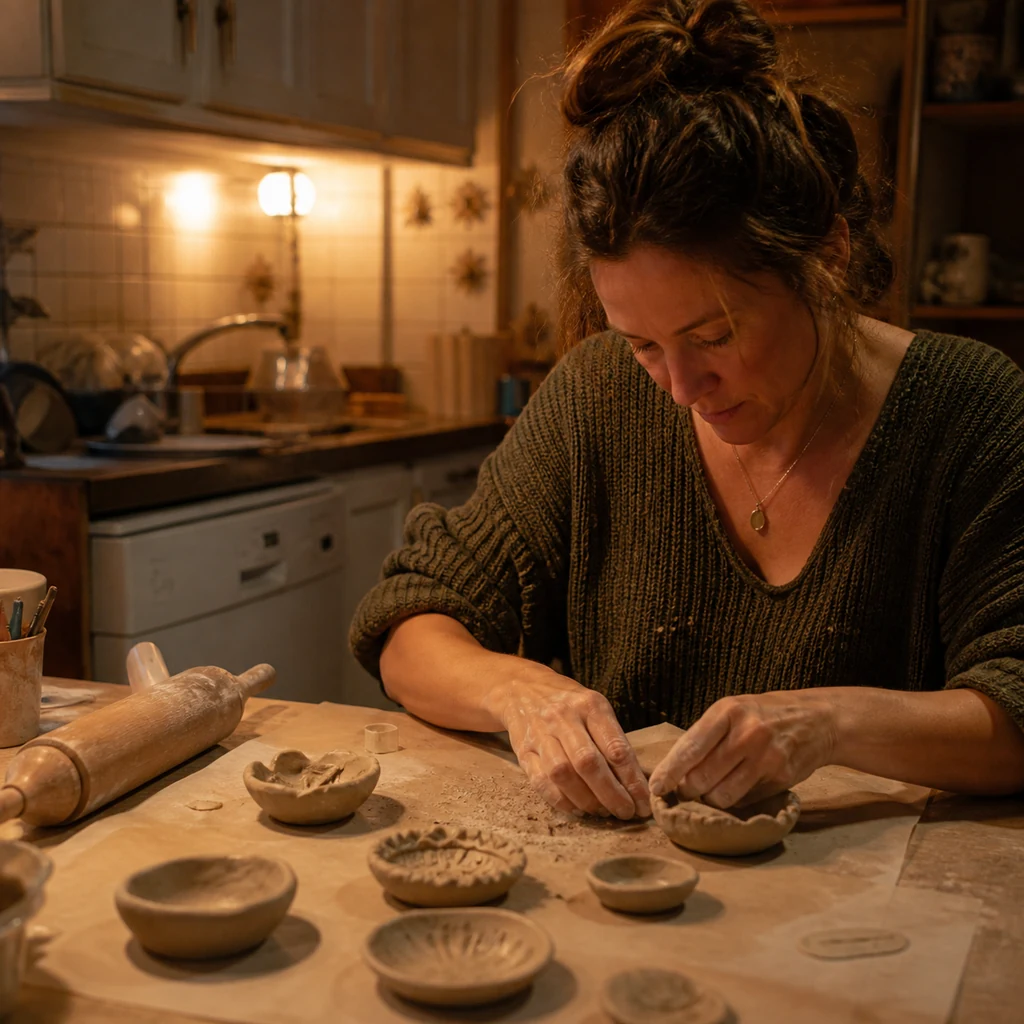
Air-dry clay provides the satisfying squish of pottery without a wheel, kiln, or mysterious studio membership. Pinch a small ball into a dish, press a leaf into the surface, or make simple beads and plant markers. Fingerprints count as evidence that a human made it.
Work on parchment or a washable mat and keep the project modest; thick pieces dry slowly and may crack. Smooth rough edges with a damp finger, follow the package directions, and allow the piece to dry fully before sanding or painting.
These projects are decorative unless the clay manufacturer specifically says otherwise. Do not assume homemade dishes are food-safe or waterproof. Use them for rings, paper clips, or the tiny objects your family deposits in every room.
4. A Jigsaw Puzzle With an Exit Plan
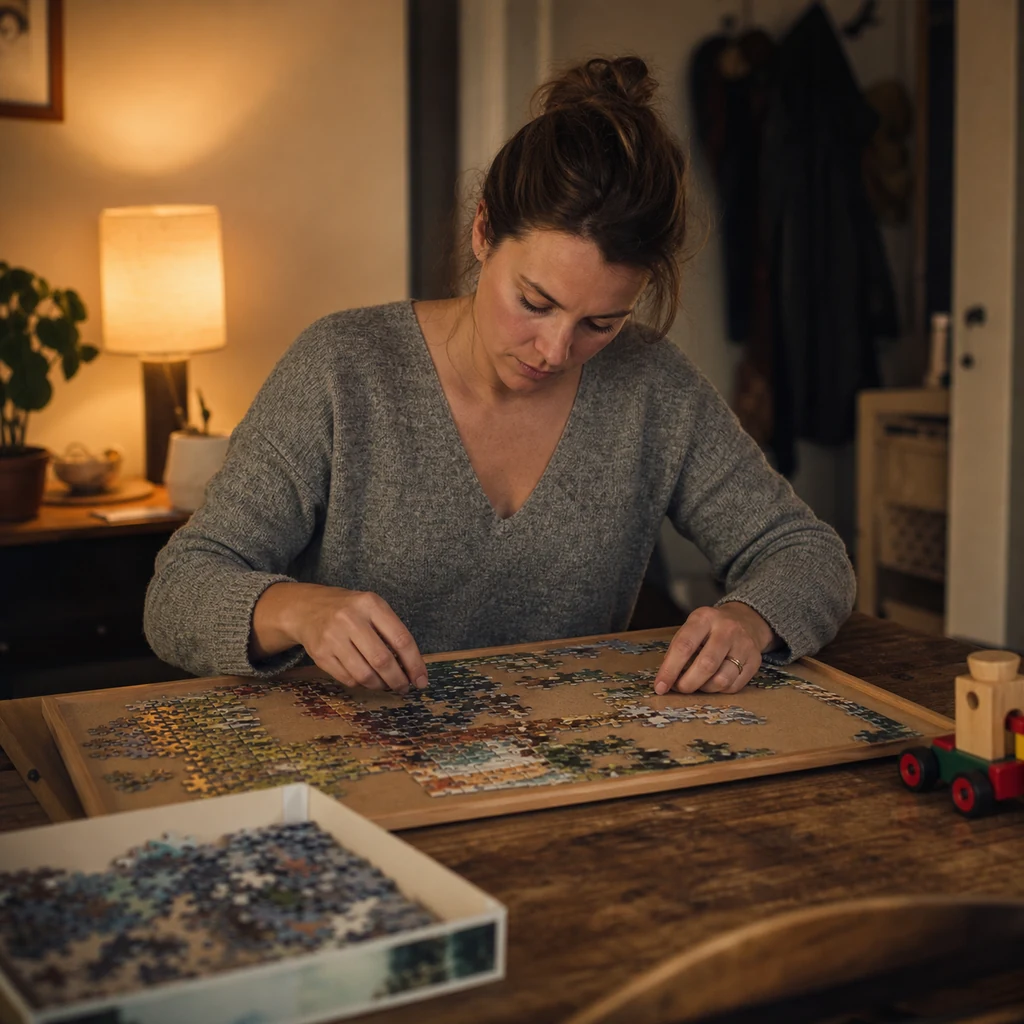
Puzzles offer a clear problem that does not send notifications. Choose 300 to 500 pieces rather than proving your character with a gray 2,000-piece landscape. Sort edges into one shallow tray and distinctive colors into another.
The essential equipment is not the puzzle; it is a way to reclaim the table. Use a puzzle board, a large tray, or sturdy cardboard that can slide under a bed or sofa. Stop after one section, one edge, or twenty minutes instead of waiting for a dramatic breakthrough.
If children want to help, keep a separate easy puzzle nearby or assign them a color group.
5. Analog Collage Journaling
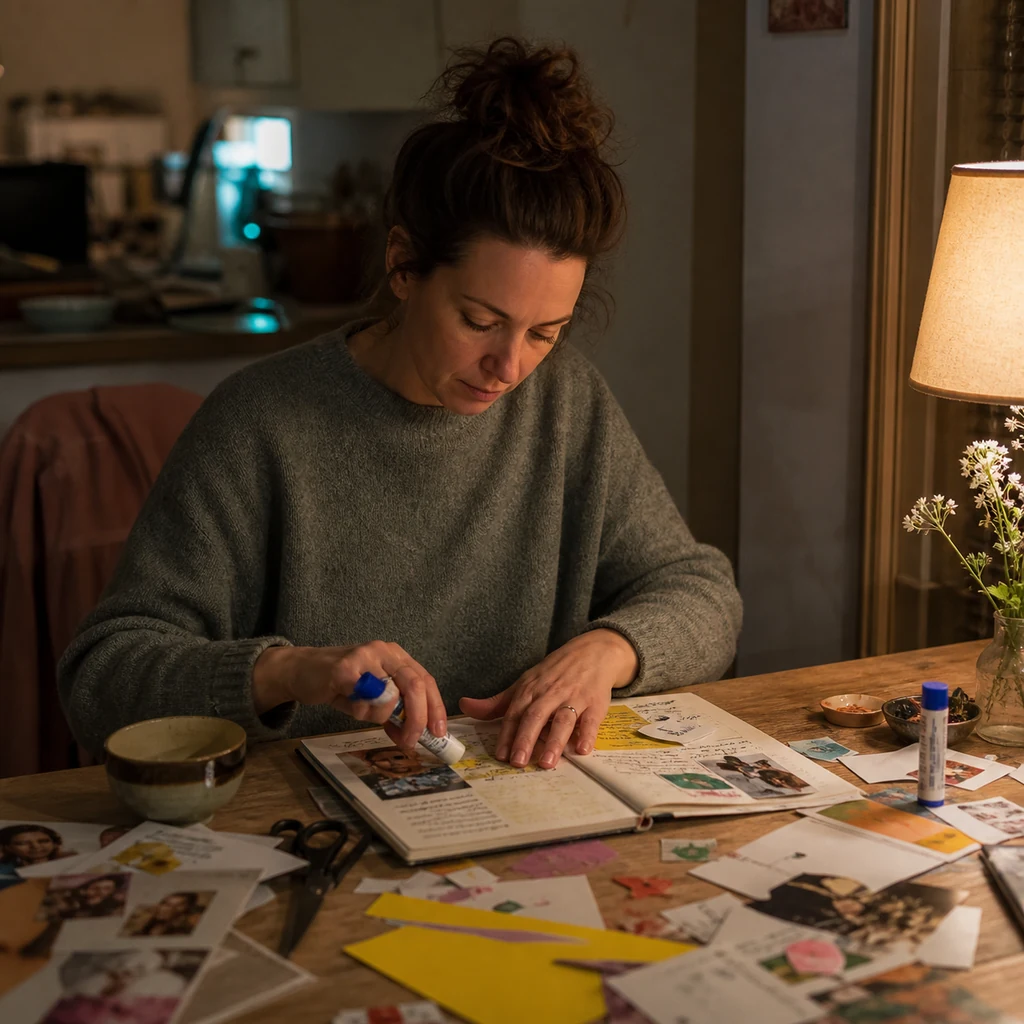
Collage journaling is useful when a blank page feels accusing. Cut colors, textures, words, packaging, old cards, or magazine images and arrange them without explaining what they mean. Add dates, doodles, or one sentence if you want; silence is also a valid artistic statement.
Begin with a notebook, scissors, glue stick, and one envelope of paper scraps. Avoid collecting enough supplies to open a recycling center. Limit each spread to a color, mood, memory, or ten-minute timer so choosing does not become its own administrative department.
Let the pages wrinkle and overlap. This is not archival museum work.
6. Houseplant Propagation
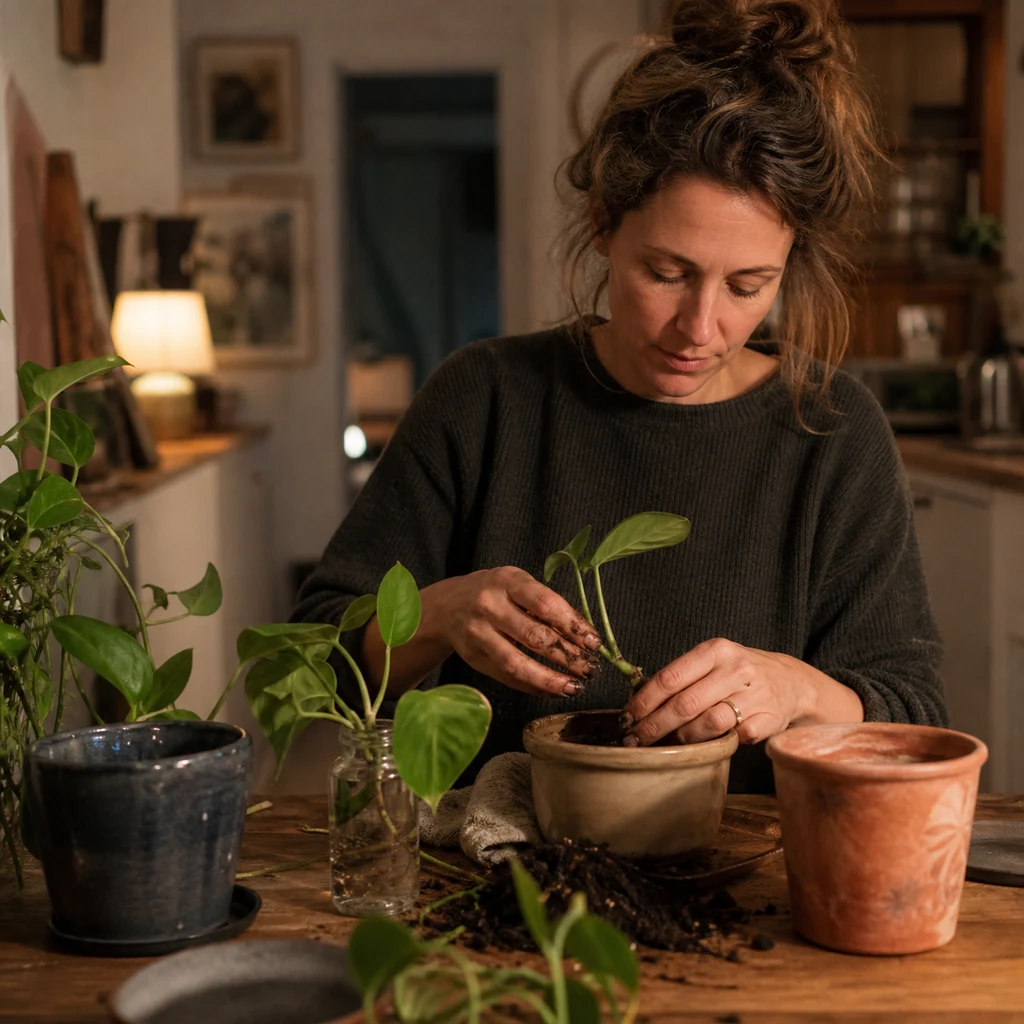
Plant propagation is slow enough to feel calm but active enough to create anticipation. Start with an easy plant you already own and research its specific cutting method using a trusted gardening book or nursery guide. Not every stem, leaf, or node behaves the same way.
Use clean tools, label the date, and place the cutting where its light and temperature needs are met. Check weekly rather than hourly. A transparent jar makes root growth visible, while a small notebook helps you remember what worked without creating another screen-based tracking system.
Confirm that plants are safe around children and pets before leaving cuttings within reach. Some cuttings fail; they are not a referendum on your nurturing abilities.
7. Slow Reading With a Personal Theme
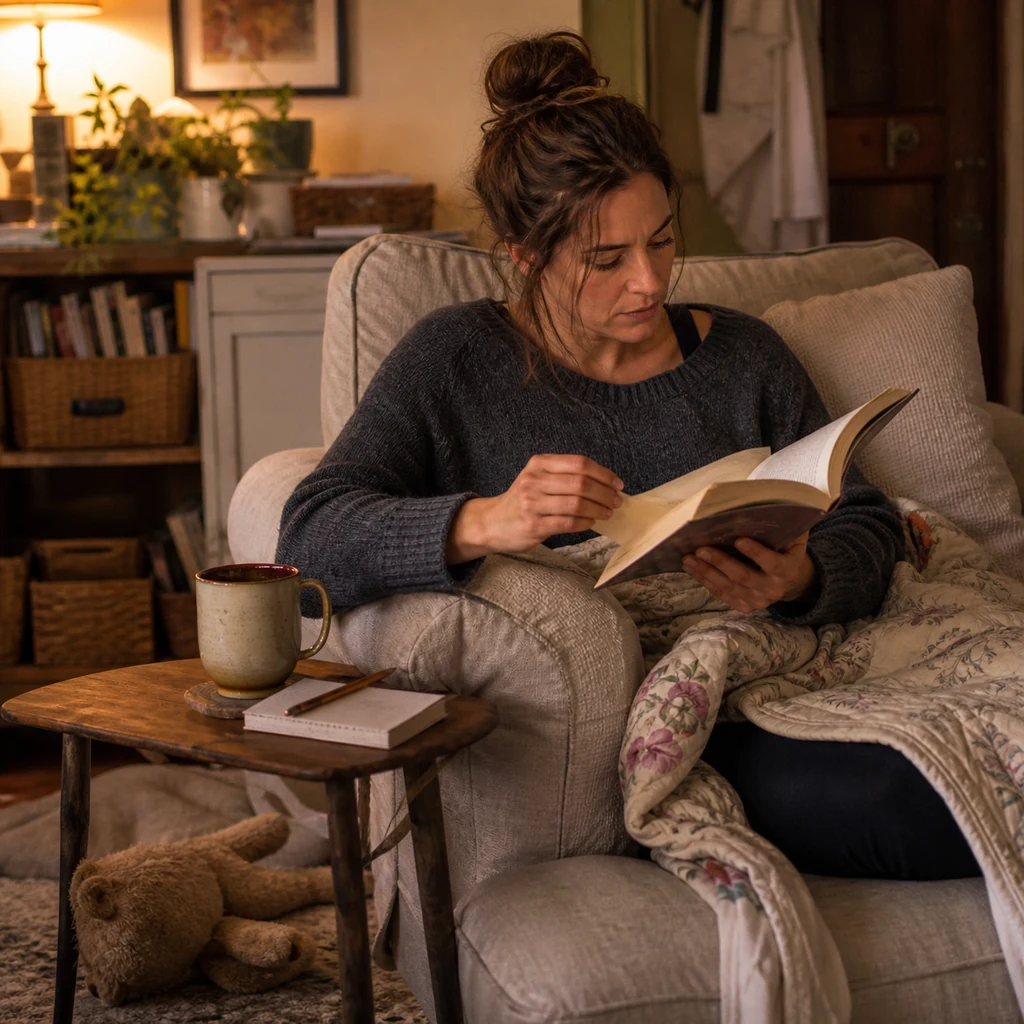
Reading counts as a hobby when the book is chosen for pleasure rather than because somebody promised it would optimize your morning. Pick a playful theme for a month: short mysteries, food memoirs, cozy fantasy, vintage romances, nature essays, or novels set somewhere cold.
Keep a paperback where you usually reach for your phone and set a tiny target, such as ten pages or one chapter. Do not turn every book into homework.
If concentration is rusty, begin with short stories, graphic novels, or an old favorite. Attention returns through practice.
Protect the Hobby From Becoming Another Obligation
Schedule a modest recurring window and prepare the materials before it begins. Ten minutes twice a week is more believable than reserving an imaginary free Saturday. Tell the household that the time is yours, then choose a stopping ritual: cover the puzzle, rinse the brush, or place the book marker.
Do not measure the hobby by finished output. Notice whether you look forward to returning or enjoy learning the next small skill. If it becomes draining, abandon it.
Frequently Asked Questions
What if I only have ten minutes?
Choose the next tiny action: thread one color, paint one card, sort one puzzle tray, or read three pages. Short sessions still belong to you.
What if my children interrupt?
Use a lidded project box and leave a paper note describing the next step. Restarting should take less energy than remembering.
What if I am not creative?
Creativity is not an admission requirement. Begin by copying a basic technique, repeating simple shapes, or solving a structured puzzle; preferences appear through doing.