I did not become a minimalist, start making my own laundry detergent, or suddenly develop the spiritual discipline to meal prep twelve identical glass containers on Sunday. I just stopped buying a few things that kept sneaking into the month like they paid rent here.
The $400 number is not a universal promise. It reflects my own receipts and card statements, including the tiny “whatever, it’s only eight dollars” choices that somehow formed a committee. The useful part is finding leaks without turning life into a punishment program.
The Consumer Financial Protection Bureau recommends tracking where money is actually going before changing a budget. Not shame. Evidence, because vibes are famously bad accountants.
The Quick Receipt Audit
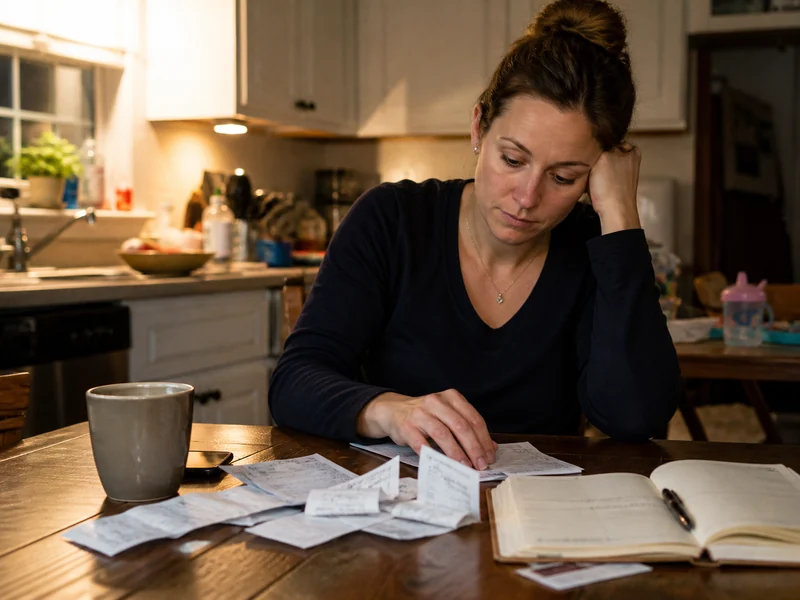
Before cutting anything, pull one month of transactions and receipts. Group purchases by habit, not by store: takeout, little treats, beauty backups, organizing things, and subscriptions. Then ask, “Would I miss this if it disappeared for thirty days?”
I kept normal groceries, school needs, medicine, and anything that truly made family life function. The cuts below were convenience purchases, duplicate purchases, and aspirational purchases.
My $400 Monthly Savings Breakdown
- Weekday takeout and delivery fees: about $150
- Drive-thru coffee, snacks, and “little treat” runs: about $80
- Duplicate beauty and personal-care backups: about $60
- Storage bins, decor fixes, and organizing impulse buys: about $50
- Unused subscriptions and memberships: about $60
That adds up to roughly $400, but the exact math matters less than the pattern. I was leaking money through five tiny doors and pretending the doors were personality traits.
1. Weekday Takeout That Was Really Exhaustion With a Delivery Fee
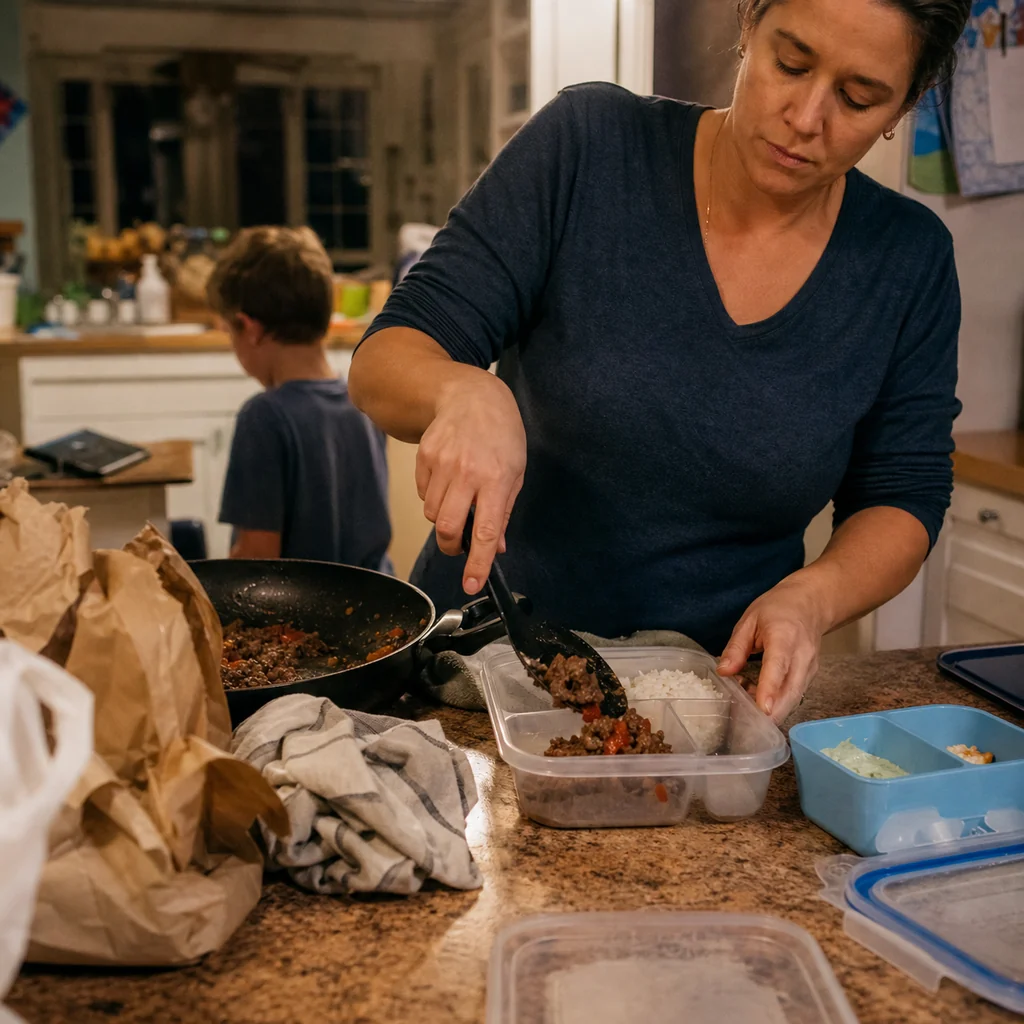
Takeout was the easiest place to start because it was visible, frequent, and usually connected to a very specific danger zone: 4:30 p.m., when everyone is hungry and I am emotionally one dropped water bottle away from ordering noodles. I did not ban restaurant food. I stopped letting exhaustion choose dinner three random weeknights a week.
The replacement was boring on purpose. I kept two “emergency dinners” available at all times: frozen pasta plus vegetables, or rotisserie-style chicken with bagged salad and tortillas. I also doubled one simple dinner each week so leftovers could become bowls, wraps, or “please just eat this” plates.
Delivery fees, tips, markups, and impulse sides pushed the total up. Cutting two or three weekday orders saved around $150 in my month. Restaurant nights became planned, which made them feel better.
2. The Coffee and Snack Runs That Were Actually a Tiny Escape

I love a treat. I also love pretending a $7 coffee and a snack for the car is a personality-support expense. The real problem was using little purchases as the only pause in the day.
I replaced the habit, not the comfort. I kept decent coffee at home, snacks I actually liked, and a small “treat budget” in cash or a separate card category. When it was gone, it was gone.
This saved about $80 a month without removing pleasure. Treats had to be intentional, not automatic. A planned coffee stayed. A drive-thru because I was avoiding unloading groceries did not.
3. Duplicate Beauty Products and Backup Bottles for My Backup Bottles
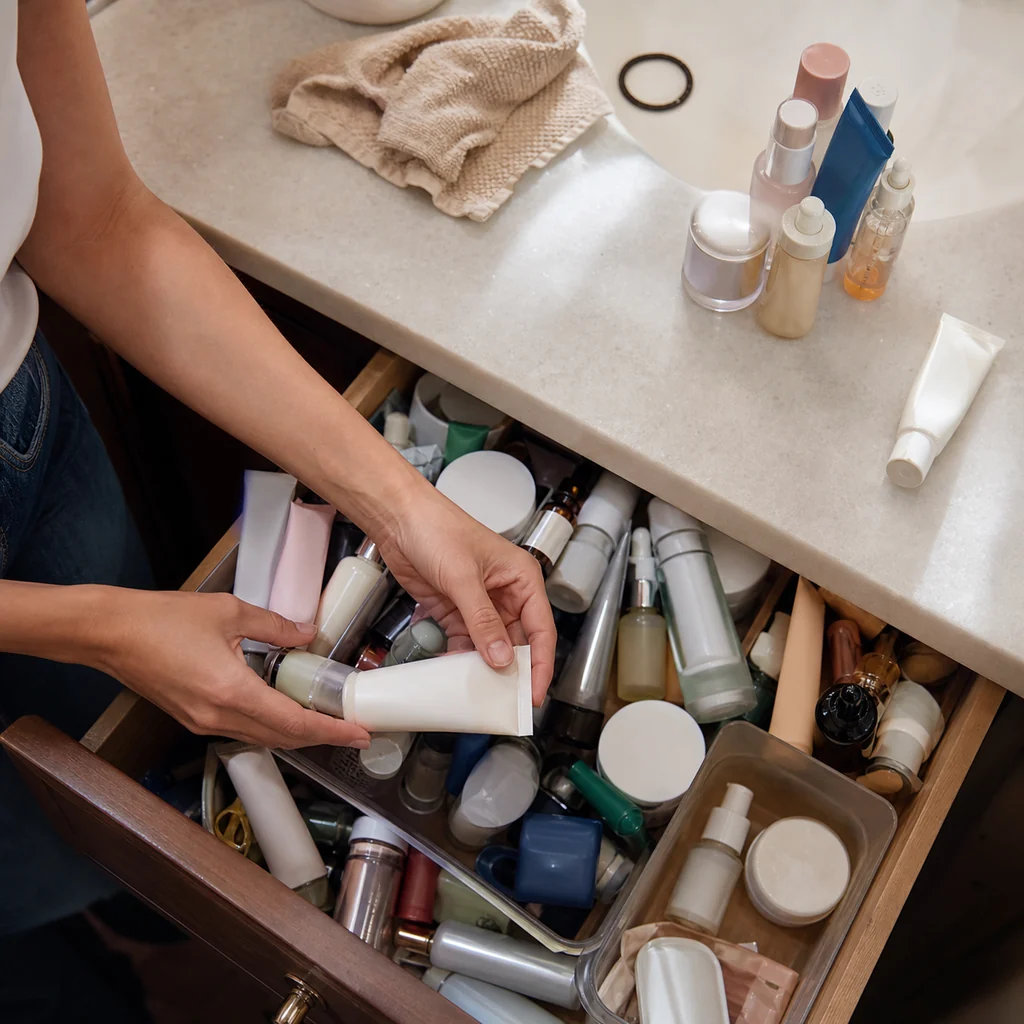
My bathroom drawer was running a small warehouse operation: half-used moisturizers, nearly identical hair products, and backups for things I had not finished. None of it made mornings easier.
I made one shelf the active shelf: one shampoo, one conditioner, one cleanser, one moisturizer, one everyday makeup bag. Everything else went into a “use next” bin. I did not buy a replacement until the current product was almost empty.
The monthly savings were about $60 from skipping impulse restocks and beauty experiments. This was not about never buying nice products. It was about not treating a tired Tuesday as a research budget.
4. Storage Bins, Baskets, and Decor I Bought for an Imaginary Version of My House
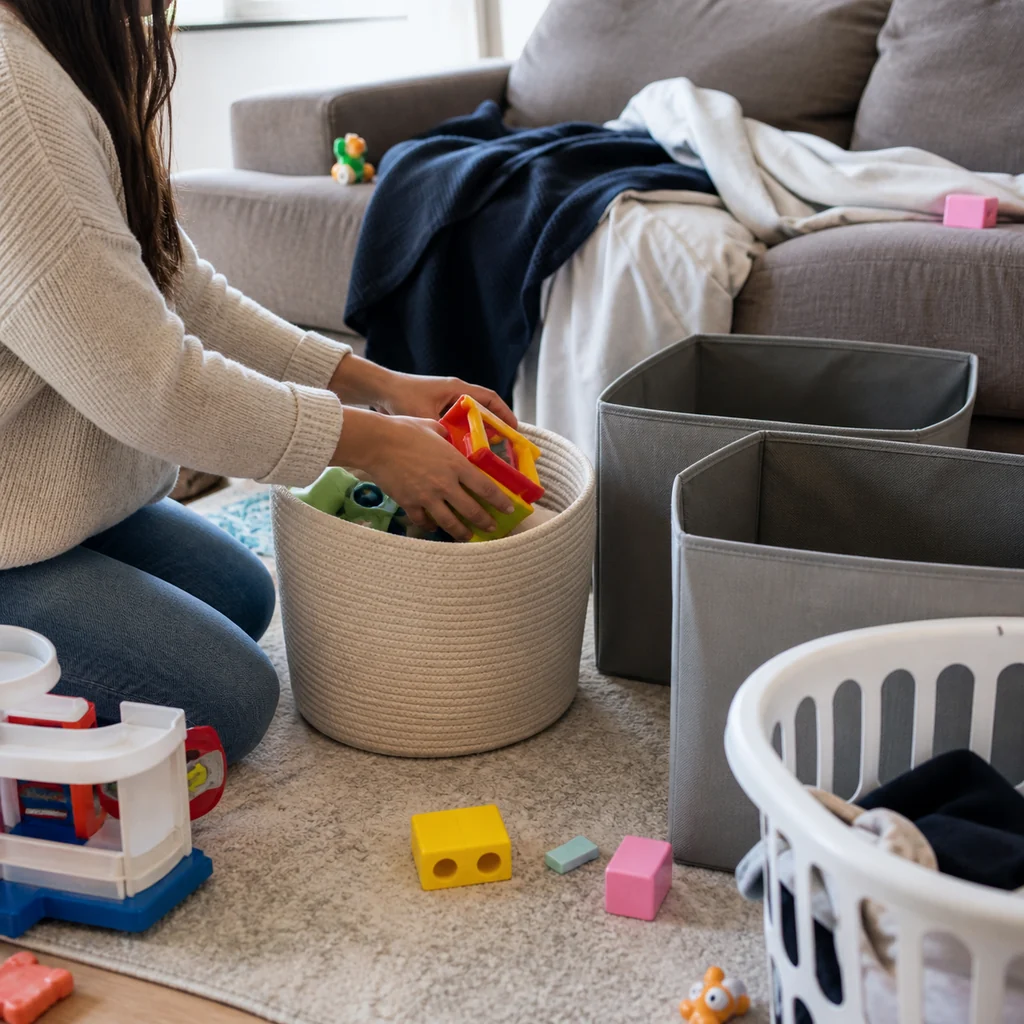
This one hurt because it felt responsible. A storage bin looks like maturity. The issue was that I kept buying containers before deciding what needed to stay, leave, or move.
So I made a rule: declutter first, shop last, wait seven days. Most of the time, I found an unused basket, a shoebox, a drawer divider, or the shocking option of owning less.
That saved about $50 in a month and stopped the loop where I bought organizing supplies instead of making a decision. Bins are fine. Bins as a coping mechanism are expensive.
5. Subscriptions I Forgot I Was Still Funding

Recurring charges are sneaky because they do not require a fresh decision. The Federal Trade Commission warns consumers to watch free trials, auto-renewals, and cancellation terms because charges can keep going long after the excitement is dead.
I made a subscription list from statements: streaming, apps, kids’ learning tools, cloud storage, delivery memberships, workouts, and annual bills. Then I marked each one as keep, cancel, pause, or verify. If nobody used it in thirty days, it had to defend itself.
This saved around $60 immediately. A few cancellations were tiny, but tiny bills are exactly how this category works. I also set reminders before annual renewals.
What I Did Not Stop Buying
I did not cut things that protected sanity or safety. I kept groceries that made fast meals possible, school supplies, medications, childcare needs, and small pleasures that genuinely improved the week.
I also did not replace convenience with invisible labor that cost me sleep. The better version is cheaper convenience: frozen vegetables, easy proteins, store-brand staples, or repeat dinners nobody has voted off the island yet.
How to Try This Without Making Your Family Hate Budgeting
Pick one category for seven days. Do not announce a household austerity era. Choose the leak with the clearest replacement and test it. If takeout is the leak, plan two emergency dinners. If subscriptions are the leak, cancel one thing today.
Use USDA food plan reports, CFPB budget tools, or your own bank categories as reference points, but trust your household data most. The goal is not to match someone else’s budget. It is to stop paying for habits that no longer serve your real life.
After thirty days, keep what worked and loosen what made everyone tense. A budget should create breathing room, not become another person asking what you did all day.
Try a 30-Day Receipt Check Before Claiming Savings
The roughly $400 in this article comes from my own records. It is not a promise or a typical result for every household. Prices, income, family size, transport, dietary needs, and existing habits change the outcome. The honest number is the difference between your own baseline month and your own test month.
Start with the last 30 days of bank and card activity. Highlight only the five categories discussed here, then total each category without judging it. Choose one change per category that does not compromise medication, adequate food, essential transport, childcare, or household safety.
- Write the baseline amount beside each category.
- Record cancellations and their actual final billing dates; a canceled trial may still charge once more.
- Track replacement spending. Skipping takeout saves less if it creates an unplanned grocery run and wasted ingredients.
- After 30 days, subtract the test-month total from the baseline and report the real difference—even if it is $47, not $400.
A smaller saving that survives a chaotic month is more valuable than a dramatic figure built on deprivation. Keep the changes that reduced spending without increasing exhaustion, and discard the ones that simply moved the cost somewhere harder to see. This is general educational content, not individualized financial advice.
A five-line tracker for your own 30-day test
Copy these five lines into a note or notebook. Use two comparable 30-day periods, and write the dates at the top. For each category, record what you spent before, what you spent during the test, and any extra cost of the replacement. A category you did not use can stay at zero.
- Weekday takeout and delivery: before $___; test $___; replacement cost $___; net change $___.
- Coffee, snacks, and little treats: before $___; test $___; replacement cost $___; net change $___.
- Beauty and personal-care backups: before $___; test $___; replacement cost $___; net change $___.
- Storage and decor impulse buys: before $___; test $___; replacement cost $___; net change $___.
- Subscriptions and memberships: before $___; test $___; replacement cost $___; net change $___.
For each line, net change = before spending − test spending − extra replacement cost. Add the five net changes for your household’s result; keep a negative number if a change cost more than it saved. For a canceled subscription, count savings only after the last charge has actually passed. This is a private worksheet: you do not need to upload statements or share account details to use it.
Frequently Asked Questions
Can every family save $400 this way?
No. The number depends on income, location, family size, and current habits. Use the breakdown as a starting example, then calculate your own realistic total.
Should I cancel every subscription?
No. Keep the ones your household actually uses and values. Start with duplicates, forgotten trials, and services that can be paused without creating chaos.
What if convenience purchases are the only thing keeping us afloat?
Then keep the convenience that truly helps and look for cheaper versions. The point is not to punish tired parents; it is to stop paying for things that do not meaningfully help.